The Ultimate Char Dham Yatra 2026: Complete Guide — Dates, Route, Registration, Cost & Tips
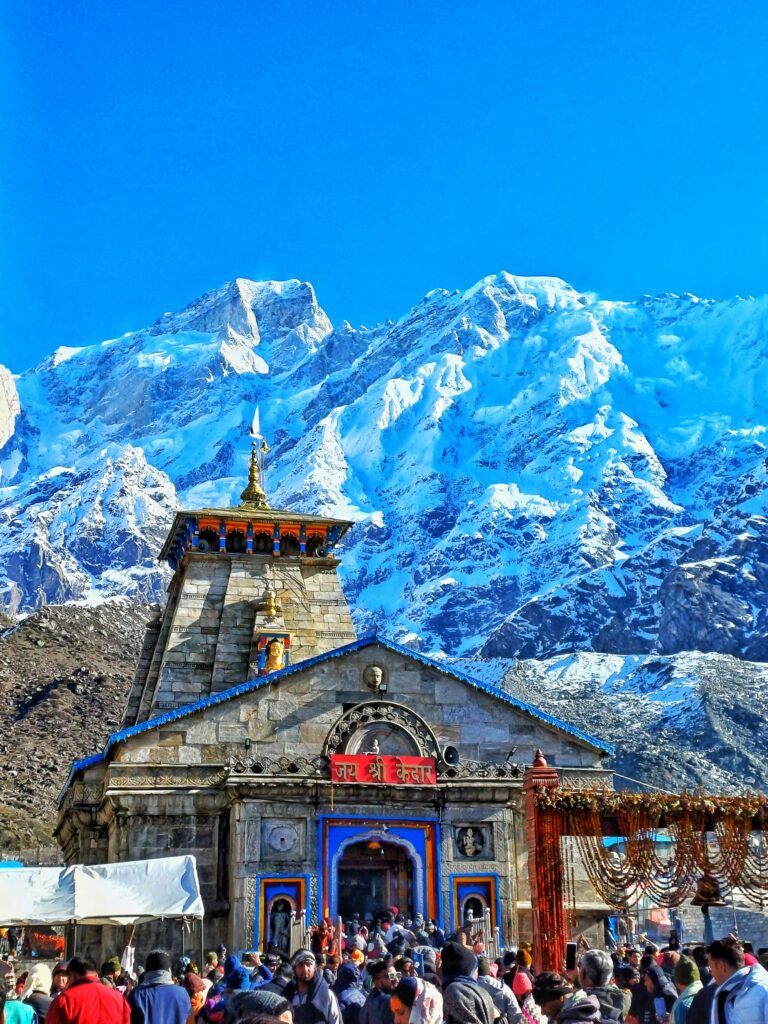
Every year, millions of devotees undertake one of Hinduism’s most sacred pilgrimages — the Char Dham Yatra. Nestled deep in the Garhwal Himalayas of Uttarakhand, the four holy shrines of Yamunotri, Gangotri, Kedarnath, and Badrinath call out to seekers of divine blessings, spiritual peace, and once-in-a-lifetime experiences. If you are planning to undertake the Char Dham Yatra in 2026, this is the only guide you need. From opening dates and registration steps to route planning, packing tips, and cost breakdowns — we have covered everything so your pilgrimage is smooth, safe, and deeply fulfilling. At Bhole Tours & Travels, we have been helping Delhi-based pilgrims complete the Char Dham Yatra with comfort and peace of mind. Let us walk you through everything. What is Char Dham Yatra? The Char Dham Yatra refers to the sacred pilgrimage circuit of four holy shrines in Uttarakhand: According to Hindu tradition, completing the Char Dham Yatra in the prescribed clockwise order — starting from Yamunotri and ending at Badrinath — cleanses the soul of all sins and paves the path toward moksha (liberation). Over 50 lakh (5 million) pilgrims undertake this sacred journey every year. Char Dham Yatra 2026 Opening Dates The 2026 Char Dham Yatra season has officially begun. Here are the confirmed temple opening dates: Dham Opening Date Deity Yamunotri 19 April 2026 (Akshaya Tritiya) Goddess Yamuna Gangotri 19 April 2026 (Akshaya Tritiya) Goddess Ganga Kedarnath 22 April 2026 (8:00 AM) Lord Shiva Badrinath 23 April 2026 Lord Vishnu The temples typically close in October–November after Diwali and Bhai Dooj, when the deities are moved to their winter abodes. Best time to visit: May–June and September–October offer the most favorable weather conditions. July–August is monsoon season and carries risk of landslides. Char Dham Yatra 2026 Registration — Everything You Need to Know Is Registration Mandatory? Yes, registration is 100% mandatory for all pilgrims visiting the Char Dham shrines in 2026. This includes pilgrims traveling by road, helicopter, or private vehicle. Without a valid registration QR code, you will not be allowed to proceed past key checkpoints. The Uttarakhand Government made this compulsory as a safety measure to regulate pilgrim flow, monitor movement on high-altitude routes, and provide quick assistance during emergencies like landslides or bad weather. Good News: Registration is FREE The Char Dham Yatra 2026 registration is completely free of cost for all pilgrims. Over 1.26 lakh registrations were completed on the very first day of registration (6 March 2026) — so register early to secure your preferred dates. How to Register Online (Step by Step) Alternative: You can also register via WhatsApp by sending “Yatra” to +91-8394833833 or use the Tourist Care Uttarakhand app (available on Google Play Store and Apple App Store). Offline Registration Offline counters are available from 15 April 2026 at: Important: Aadhaar Card is mandatory for registration in 2026. Children under 12 and adults over 65 need additional medical clearances. Char Dham Yatra Route from Delhi The classic Char Dham Yatra route starts from Delhi → Haridwar/Rishikesh and follows a clockwise circuit: Delhi → Haridwar/Rishikesh → Barkot (Yamunotri) → Uttarkashi (Gangotri) → Guptkashi/Sonprayag (Kedarnath) → Badrinath → Rishikesh → Delhi Day-wise Itinerary (12 Days from Delhi) Day 1: Delhi → Haridwar/Rishikesh (overnight stay)Day 2: Rishikesh → Barkot (Yamunotri base, 210 km)Day 3: Barkot → Yamunotri temple (6 km trek) → back to BarkotDay 4: Barkot → Uttarkashi (Gangotri base, 100 km)Day 5: Uttarkashi → Gangotri temple darshan → back to UttarkashiDay 6: Uttarkashi → Guptkashi (Kedarnath base, 220 km)Day 7: Guptkashi → Sonprayag → Kedarnath (14 km trek or pony)Day 8: Kedarnath darshan → back to GuptkashiDay 9: Guptkashi → Badrinath (200 km)Day 10: Badrinath temple darshan → Mana Village visitDay 11: Badrinath → Rishikesh (300 km)Day 12: Rishikesh → Delhi Char Dham Yatra Cost in 2026 By Road (Budget to Premium) Package Type Cost per Person Budget (shared vehicle, basic hotels) ₹20,000 – ₹35,000 Standard (private vehicle, 2-3 star hotels) ₹40,000 – ₹60,000 Premium (luxury vehicle, 4 star hotels) ₹70,000 – ₹1,00,000 By Helicopter Helicopter yatra covers all 4 dhams in just 5–6 days. Package Cost per Person Char Dham helicopter ₹1,80,000 – ₹3,15,000 Do Dham (Kedarnath + Badrinath) ₹80,000 – ₹1,20,000 Book helicopter tickets only through official IRCTC portal: heliyatra.irctc.co.in Additional Expenses to Budget For About the Char Dhams 1. Yamunotri — The First Dham Located at an altitude of 3,293 metres, Yamunotri is the source of the Yamuna River and the abode of Goddess Yamuna. The temple is accessible via a 6 km trek from Janki Chatti. Pilgrims cook rice and potatoes in the hot springs here (Surya Kund) and offer them to the goddess as prasad. Highlight: Divya Shila rock pillar, hot springs, scenic Himalayan views 2. Gangotri — The Second Dham Gangotri sits at 3,100 metres and is where the holy Ganga River descends from the Himalayas. The temple is dedicated to Goddess Ganga and is accessible by road — making it the easiest dham to reach. The actual source of the Ganga, the Gangotri Glacier (Gaumukh), is 18 km further via a beautiful trek. Highlight: Bhagirathi River views, ancient temple architecture, Gaumukh glacier trek 3. Kedarnath — The Third Dham Kedarnath is the most challenging and most revered of the four dhams. Located at 3,583 metres, the ancient stone temple of Lord Shiva stands as a testament to faith against the harshest Himalayan conditions. The 16 km trek from Gaurikund (or 14 km from Sonprayag) is rewarded with a darshan that touches the soul. Highlight: One of 12 Jyotirlingas, panoramic Himalayan views, ancient 8th-century temple 4. Badrinath — The Fourth Dham Badrinath, at 3,133 metres, is dedicated to Lord Vishnu and is the final stop of the Char Dham circuit. The brightly painted temple on the banks of the Alaknanda River is one of the most visited pilgrimage sites in India. Mana Village, just 3 km from Badrinath, is the last Indian village before the Tibet border. Highlight: Tapt Kund hot spring bath before darshan, Mana Village, Vasudhara Falls